How to Choose the Perfect Sanitary Ware for a Minimalist Bathroom
The Philosophy of Less
In modern interior design, the bathroom has evolved from a purely functional space into a sanctuary of minimalist restraint. The core principle of a minimalist bathroom is the illusion of boundless space, achieved by eliminating visual clutter and grounding the room with essential, high-quality fixtures.
Floating Foundations
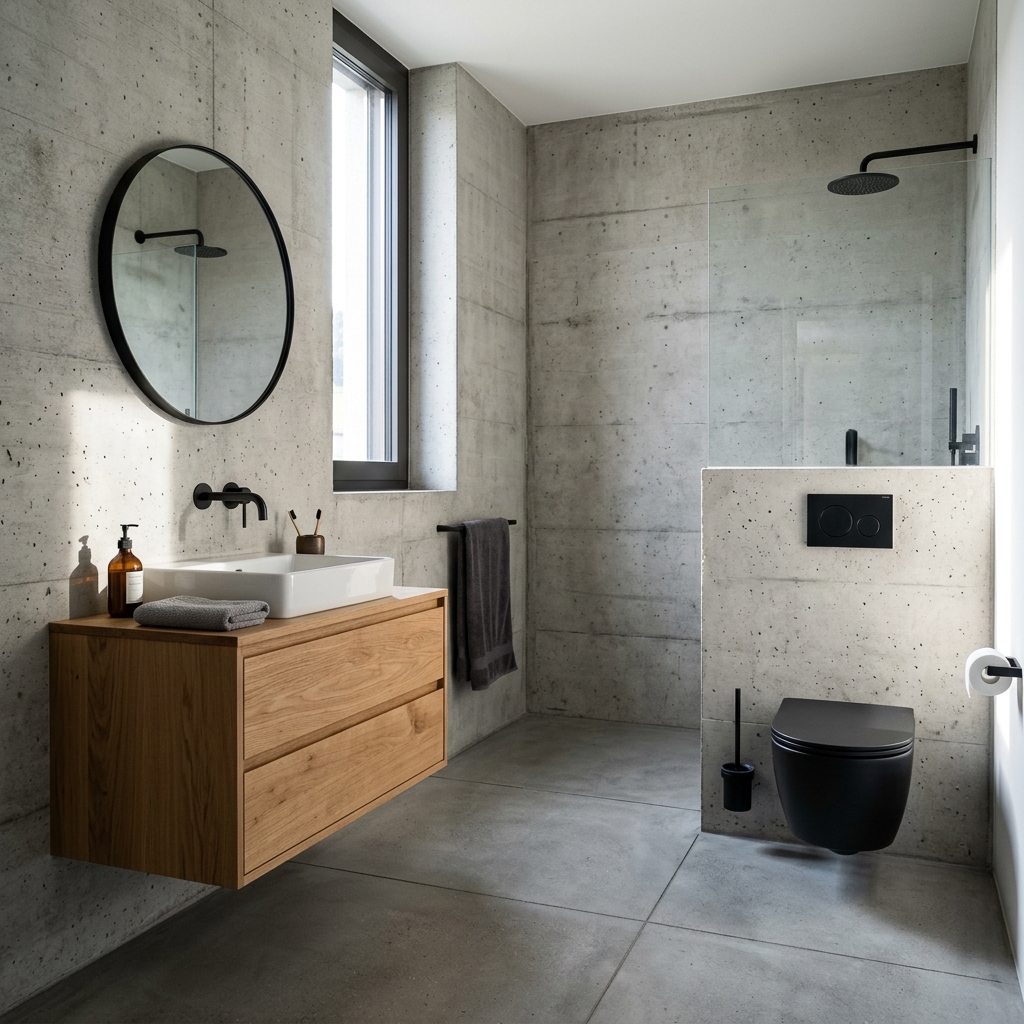
The most immediate way to create space is to lift fixtures off the ground. Wall-mounted toilets* and *floating vanities serve a dual purpose: they expose more continuous floor space—making the room feel physically larger—and they remove awkward, hard-to-clean corners.
When choosing a floating vanity, opt for monolithic forms with integrated sinks. The absence of a seam between the sink basin and the countertop is a hallmark of premium, uncluttered design.
The Power of Matte Finishes
While polished chrome has been the standard for decades, the minimalist movement favors the absorption of light over its reflection. Matte black* or *brushed gunmetal fixtures act as stark, architectural anchors against neutral tile. They don't scream for attention with shine; instead, they define the space through sheer contrast and silhouette.
Concealed Engineering
To truly achieve a minimalist aesthetic, the mechanics must vanish. In-wall cisterns for toilets and concealed shower mixing valves are non-negotiable. By hiding the plumbing infrastructure behind the wall, you are left with only the user interface—the flush plate and the shower control handle. This stripping away of the unnecessary is the purest expression of the Swiss design ethos in a physical space.
Conclusion
Selecting sanitary ware for a minimalist bathroom is an exercise in editing. Every piece must justify its presence. By focusing on floating forms, matte textures, and concealed mechanics, you create a space that is as structurally sound as it is visually silent.